

Energy prices haven’t exactly been kind over the last few years. Whether you’re a homeowner in Sidcup or a landlord with a couple of rentals in Bromley, keeping heating costs under control is high on the list. That’s where modern smart home solutions come into the conversation.
One of the most talked-about upgrades is the smart thermostat. But can it genuinely cut your energy bills, or is it just another gadget? Let’s break it down in plain English.
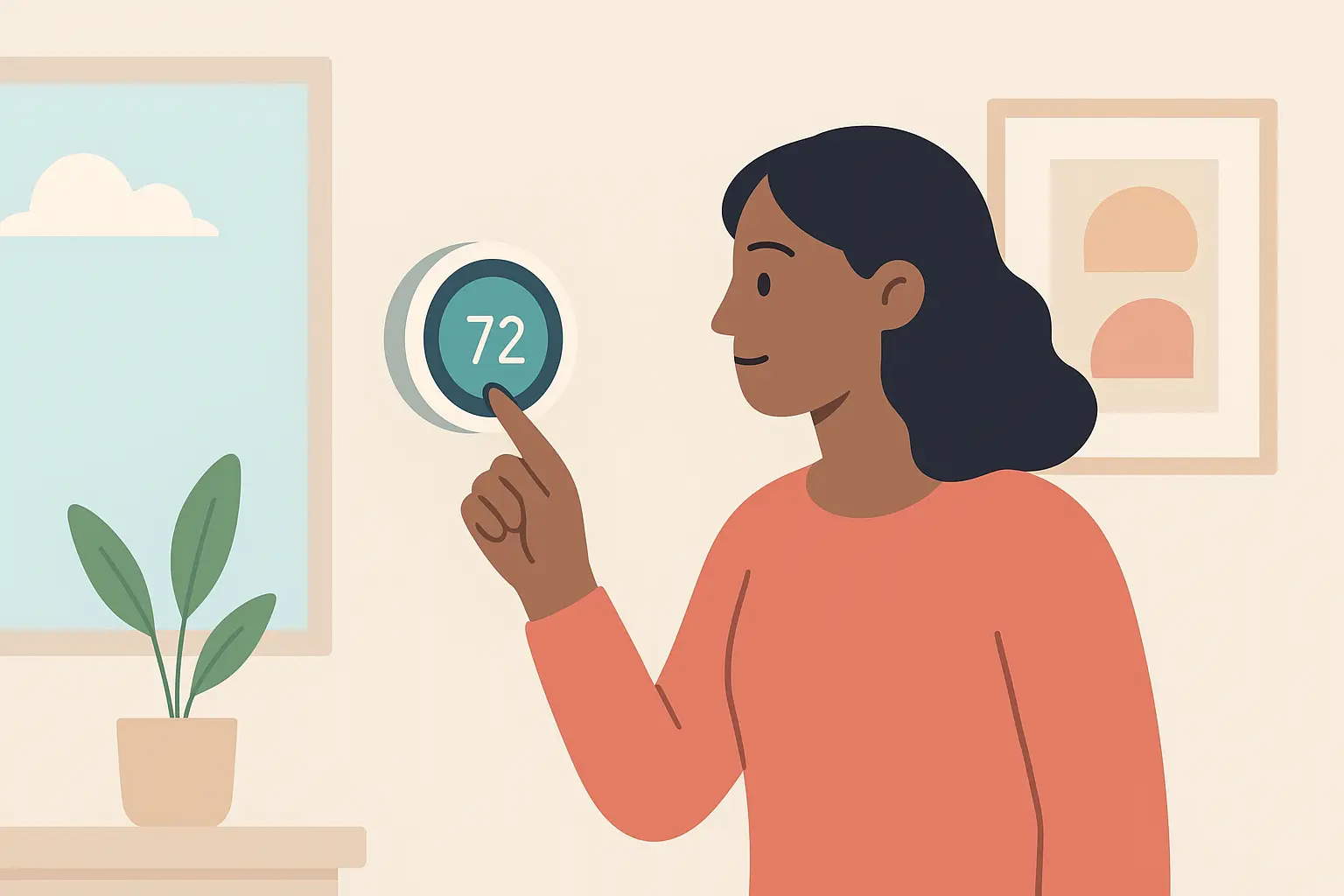
What Is a Smart Thermostat and How Does It Work?
A smart thermostat is a digital control that manages your heating system, usually via Wi-Fi. Unlike a traditional dial or basic programmable timer, it lets you adjust and monitor your heating from an app on your phone or tablet.
In simple terms, instead of heating your whole house on a fixed schedule, a smart thermostat gives you more control. You can:
- Turn the heating on or off while you’re out
- Adjust temperatures room by room in some systems
- Set smarter schedules that adapt to your routine
- Track how much energy you’re actually using
Some models learn your habits over time. For example, if you usually lower the heating at 10pm, it will start doing that automatically. Others use geolocation, so if everyone leaves the house in the morning, it can reduce the temperature without you having to think about it.
How Smart Thermostats Help Reduce Energy Bills
The short answer is yes, they can save you money. But only if they’re used properly.
The biggest saving usually comes from avoiding wasted heat. We often see homes across Bexley and Sidcup where the heating is set to come on at the same time every day, even if no one’s home. A smart thermostat helps prevent that.
Heating only when you need it
If you’re delayed at work or away for the weekend, you can switch the heating off instantly instead of warming an empty house.
Better temperature control
Many people set their thermostat higher than necessary, then open a window when the house gets too warm. With clearer digital controls and in-app feedback, it’s easier to find a steady, efficient temperature and stick to it.
Usage insights
Seeing your energy use clearly can be a bit of an eye-opener. When customers check their monthly reports, they often realise the heating is running longer than they thought. That awareness alone can lead to small tweaks that add up over time.
That said, savings vary. If you already use your heating carefully and have a well-set programmer, the difference may be modest. If your current controls are outdated or barely used, the improvement can be more noticeable.
Key Features to Look For in a Smart Thermostat
Not all smart thermostats are the same. Choosing the right one depends on your boiler, your property and how much control you want.
Here are a few features worth considering:
- Compatibility with your existing boiler and heating system
- Zoning capability for larger homes
- Clear and simple app interface
- Hot water control if you have a cylinder
- Integration with other smart home devices
If you’ve recently had a boiler upgrade in areas like Sidcup, Bexley or Bromley, chances are your system will be compatible with most leading smart controls. Older boilers can still work with smart thermostats, but sometimes require additional wiring or a receiver unit near the boiler.
Smart Thermostat Savings: Myths vs Reality
There’s a common belief that installing a smart thermostat will instantly slash your bills. It’s not quite that simple.
Myth: It guarantees huge savings.
Reality: Savings depend on behaviour. If you continue overheating the house, a smart thermostat won’t magically fix that.
Myth: It replaces the need for servicing or maintenance.
Reality: Your boiler still needs regular checks. Efficient controls work best alongside a well-maintained system. If you’re unsure about your boiler’s condition, it’s worth looking into heating repairs before upgrading controls.
Myth: It’s too complicated for everyday use.
Reality: Most systems are straightforward once set up. We often get asked if older homeowners will struggle, but after a quick run-through, most people find them easier than old mechanical timers.
Installation Considerations and Compatibility With Existing Systems
Installation isn’t usually a huge job, but it does need to be done properly. We’ve seen DIY fittings where wires are slightly loose or not fully compatible with the boiler’s controls, which can cause erratic heating.
Key things to check include:
- Whether your boiler supports modulating controls
- The location of your existing thermostat and wiring
- Your Wi-Fi signal strength near the boiler or control point
Solid internet coverage makes a difference. In some older properties with thick walls around Bexley, the signal can drop between rooms. A simple Wi-Fi extender often solves it, but it’s worth planning ahead.
If your boiler is due for replacement, it may be smarter to upgrade both together. When customers ask about new systems, we often suggest considering smart controls at the same time as a boiler installation, rather than retrofitting later.
Are Smart Thermostats Worth the Investment?
For most households, yes, especially if you want more control over when and how your home is heated. They won’t perform miracles, but they can reduce waste, improve comfort and give you a clearer picture of your energy use.
From what we see in homes across Sidcup and Bromley, the biggest benefit is convenience. Being able to adjust the heating from the school run or while lying in bed on a cold Sunday morning makes a real difference. The savings tend to follow when you use the system properly.
If you’re thinking about upgrading, it’s worth getting tailored advice based on your boiler and property setup. The team at Henri-Taylor can help you decide what’s compatible and what will genuinely improve efficiency in your home.
Get expert advice on upgrading your home – Contact us today