

If you have ever opened your airing cupboard and spotted a big copper or foam-covered cylinder with a switch nearby labelled “immersion”, you might have wondered what it actually does. It is a question we get asked regularly when carrying out plumbing services in homes across South East London.
Put simply, an immersion heater is an electric heating element that sits inside your hot water cylinder. It heats the water directly, a bit like a giant kettle. For homeowners with older systems or those thinking about their hot water options, understanding how it works can help you decide whether to keep it, use it differently or upgrade altogether.
How Does an Immersion Heater Work?
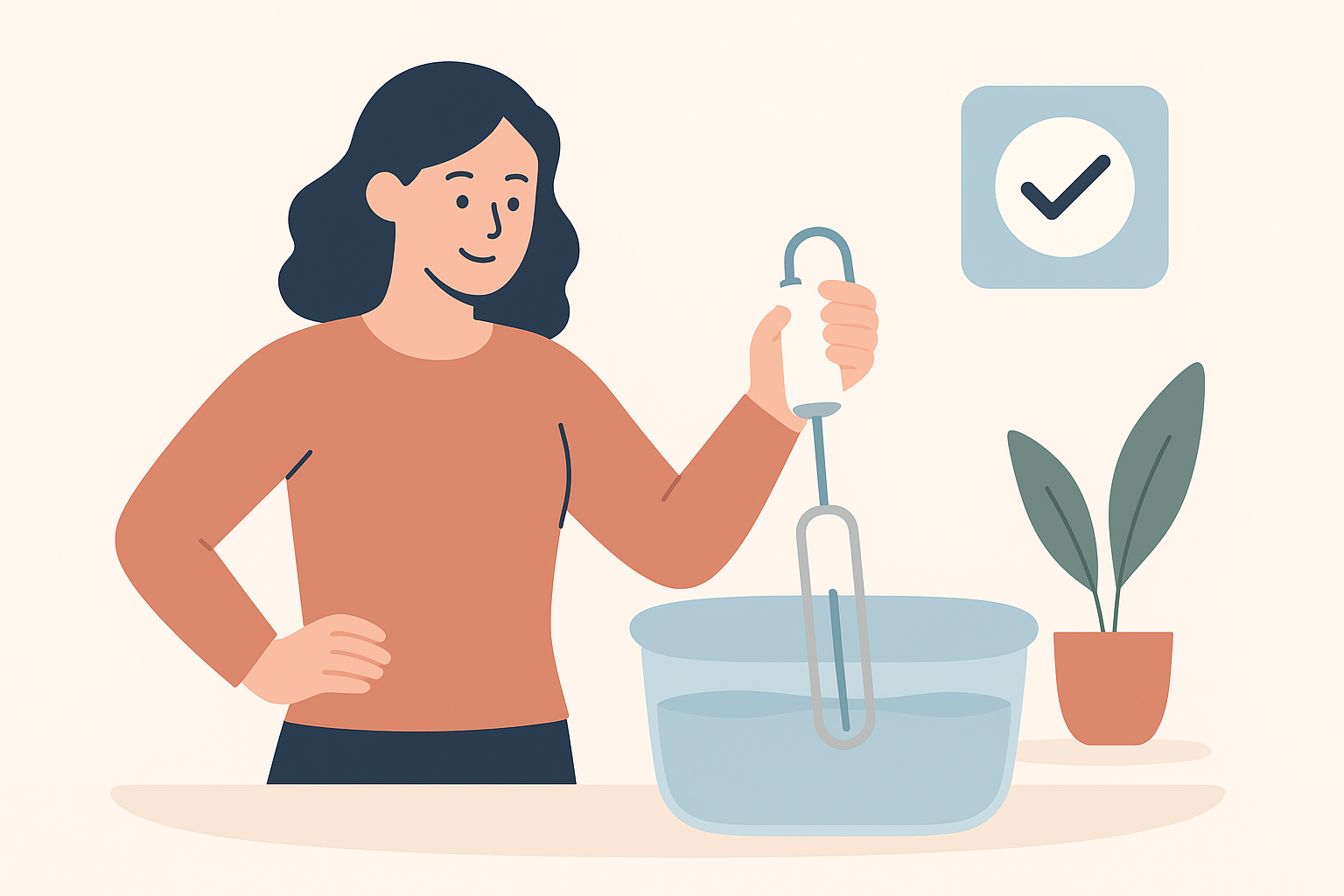
An immersion heater is basically a metal element that screws into the side of your hot water tank. When you switch it on, electricity flows through the element, it heats up and warms the surrounding water in the cylinder.
Most UK cylinders have one or two immersion heaters. A single element is usually fitted about a third of the way up the tank. This is known as a top immersion and is designed to heat just the upper portion of water for washing up or a quick shower.
If there are two, the lower one heats the whole tank and is often used on Economy 7 tariffs where electricity is cheaper overnight. The top one acts as a booster if you run out during the day.
Each immersion has a built in thermostat. That keeps the water at a set temperature and switches the element off once it is hot enough. If it is working properly, you should not need to constantly flick it on and off.
Immersion Heater vs. Combi Boiler: What’s the Difference?
This is where a lot of confusion comes in. People often ask, what is an immersion heater and do I still need one if I have a boiler?
A combi boiler heats water on demand. You turn on a hot tap and it fires up instantly. There is no stored hot water cylinder. That means no immersion heater.
A system or regular boiler, on the other hand, heats water and stores it in a cylinder. The boiler usually does the main heating. The immersion heater is there as a backup or alternative.
In places like Peckham and Lewisham, we still see plenty of older gravity fed systems with cylinders and immersions. Some homeowners in Swanley have kept them deliberately because they like having a backup if the boiler stops working.
The key difference is this:
- Combi boilers heat water instantly and do not store it
- Immersion heaters heat water stored in a cylinder using electricity
- System and regular boilers can work alongside an immersion heater
When Would You Use an Immersion Heater?
There are a few common situations where an immersion heater makes sense.
As a backup
If your boiler breaks down, the immersion can keep you in hot water while waiting for repairs. I have visited homes where the boiler has packed up on a Friday evening and the immersion has saved the weekend.
In summer months
Some homeowners turn their boiler off in summer and just use the immersion for hot water. That way, you are not firing the whole heating system just to wash up.
In all electric properties
Flats without a gas supply often rely entirely on immersion heaters and electric heating. In those cases, managing when the immersion runs becomes important for controlling bills.
Immersion Heater Running Costs
This is where people get wary. Electricity is generally more expensive than gas per unit. So yes, if you use an immersion as your main source of hot water all year round, it can cost more than using a gas boiler.
That said, it depends how you use it. Heating a full tank and leaving it on constantly can waste money. Using a timer to heat only what you need is far more efficient.
If you are on an Economy 7 tariff and heat the tank overnight at a lower rate, running costs can be more manageable. A lot of the older cylinders I see in Lewisham cupboards do not have timers fitted, which is often where unnecessary costs creep in.
The real expense comes when a thermostat sticks and the water overheats or when insulation around the cylinder is poor. A well insulated tank holds heat surprisingly well.
Common Immersion Heater Problems
Like any part of your heating system, immersion heaters can go wrong. The good news is they are usually straightforward to diagnose.
- No hot water at all, often caused by a failed element or blown fuse
- Water too hot, which can indicate a faulty thermostat
- Tripping electrics, sometimes due to element breakdown
- Leaks around the boss where it screws into the cylinder
A common call we get is someone thinking their whole system has failed when it is just the immersion switch fused off. Equally, I have seen older cylinders in Peckham where the element is so furred up with limescale it barely heats anything.
If you suspect a fault, it is always best to have it checked. Water and electrics in a tight airing cupboard are not something to take lightly.
How to Get the Most from Your Immersion Heater
If you already have one, a few small changes can make a big difference.
- Use a timer rather than leaving it on continuously
- Set the thermostat to around 60 degrees for safety and efficiency
- Ensure the cylinder has a good quality insulation jacket
- Have the element and thermostat checked if water temperature seems inconsistent
It is also worth understanding your overall heating setup. If you are unsure whether your cylinder and boiler are working together efficiently, getting it looked at during routine heating repairs or servicing can highlight simple improvements.
Is It Time to Upgrade Your Hot Water System?
Sometimes the question is not just what is an immersion heater, but whether you should still be relying on one.
If your cylinder is decades old, poorly insulated or taking ages to heat up, it may be worth considering a modern alternative. Upgrading to a combi or a more efficient system boiler can free up cupboard space and improve performance. You can see the sort of options available when looking at current boiler installations.
On the other hand, if your current setup suits your household and just needs a bit of attention, a well maintained cylinder with a working immersion can serve you reliably for years.
Every home is slightly different. Older terraces in Peckham tend to have different constraints compared to newer builds in Swanley. The right answer depends on your water usage, your budget and how much disruption you are prepared for.
If you are unsure whether to repair, replace or simply adjust how you use your current system, it can help to talk it through with someone who sees these setups every day. For straightforward advice on immersion heaters and hot water systems in your home, you can Get in Touch with the team at Henri-Taylor and discuss the options properly.